A comprehensive review of the public track record, arrest history, campus controversies, and documented public statements of Stony Brook University Professor Joshua Dubnau.
Chronological breakdown of events surrounding the Spring 2024 campus occupations, subsequent law enforcement response, and internal university disciplinary interventions.
Arrested at the Stony Brook pro-Palestinian unauthorized encampment site. New York State Troopers and Suffolk County police departments were called to campus to restore order. Commenting on the incident, Dubnau stated he felt it was his responsibility to stand directly with the students.
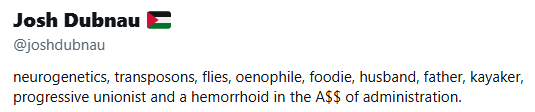
Context: Active within the UUP/AFT Local 2190 union. He has maintained a publicly combative stance toward the university leadership, explicitly describing himself as "a hemorrhoid in the A$$ of administration."
Following the encampment arrest, administration officially suspended Dubnau from his active employment duties and formally barred him from setting foot on the Stony Brook University campus premises.
The Stony Brook Faculty Senate advanced demands that all criminal and administrative charges against arrested personnel be dropped. During this period, University President Maurie McInnis narrowly survived an internal push for a censure vote.
Dubnau was formally arraigned in the Suffolk County District Court system on charges of disorderly conduct, classified as a noncriminal offense.
Local prosecutors dropped the noncriminal disorderly conduct charges. Following the resolution of the legal filing, Dubnau was fully reinstated to his faculty positions within the Anesthesiology and Neurobiology departments.
A history of national and local protest engagement, organizational alignment with Jewish Voice for Peace (JVP), and verified public speech records.
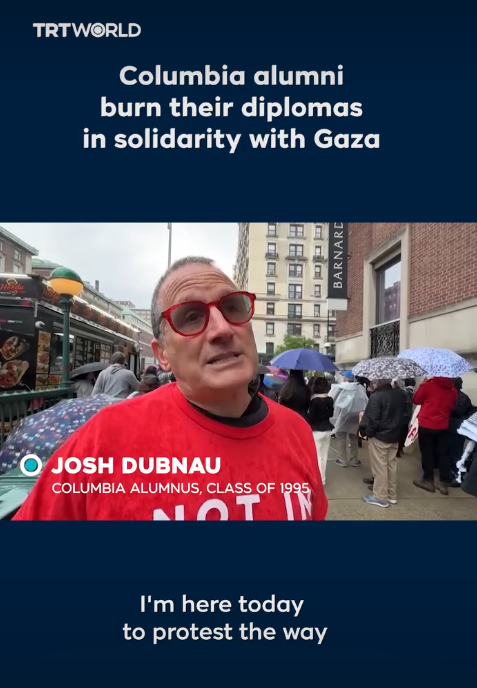
Publicly defended the student encampments at Columbia University, which included the forceful and violent takeover of Hamilton Hall. Speaking on camera regarding the demonstrations, he claimed:
"I do not feel that this project is anti-Semitic in any way."
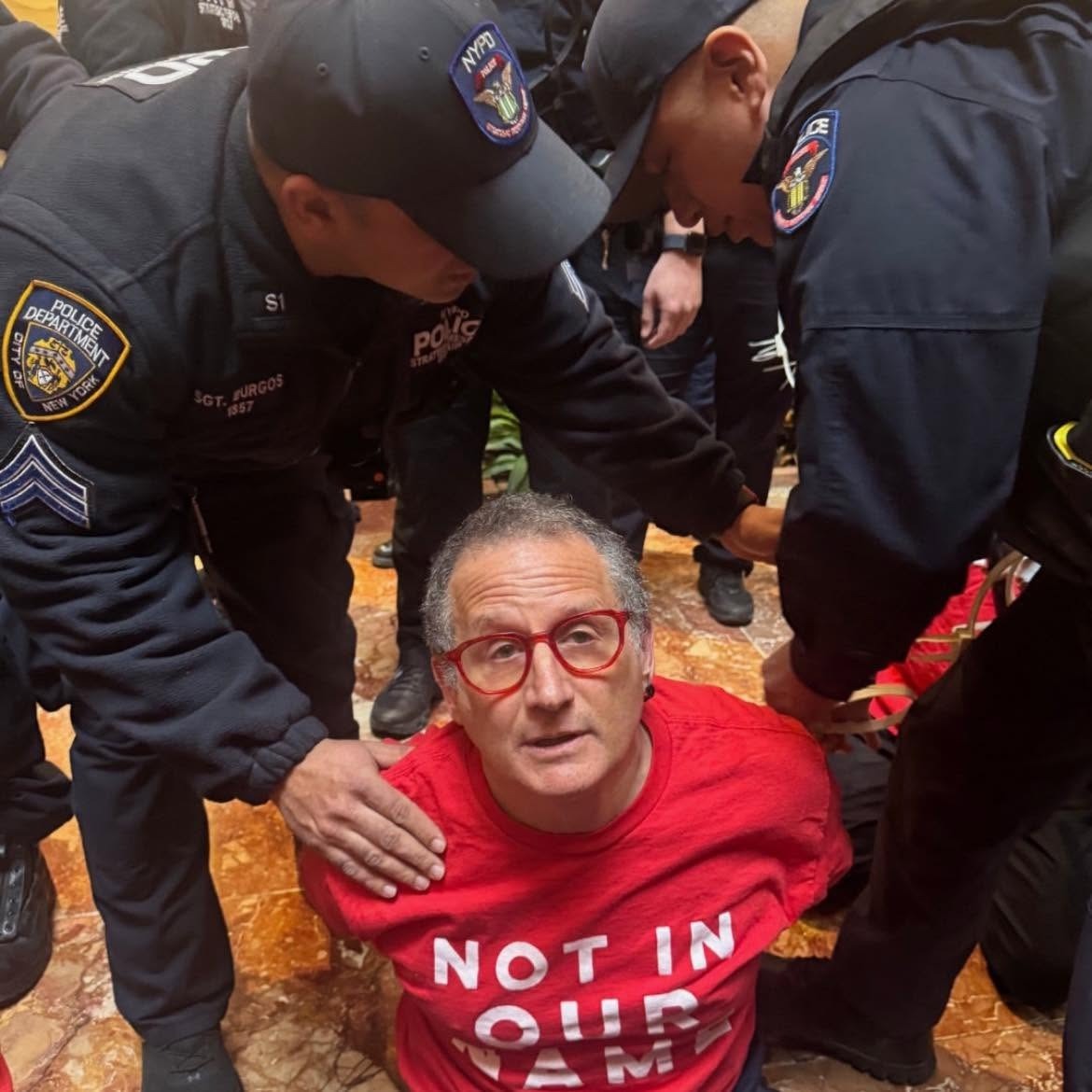
Arrested along with approximately 100 other activists affiliated with the anti-Zionist group Jewish Voice for Peace (JVP) inside Trump Tower. The localized sit-in protest was launched to oppose the ongoing law enforcement detention of Columbia activist Mahmoud Khalil.
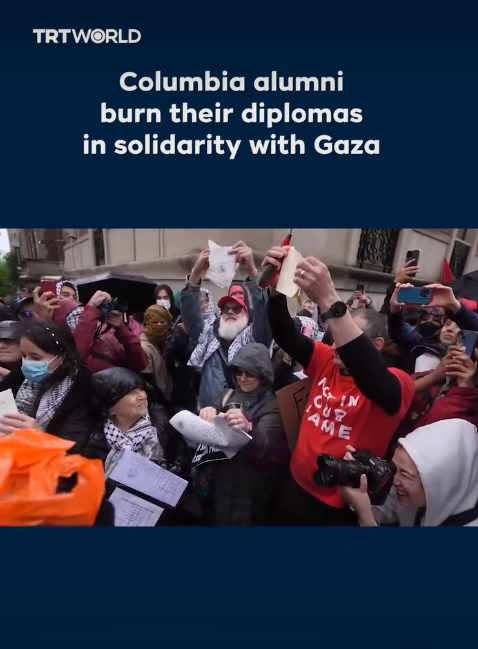
Helped lead an off-campus protest demonstration directly coinciding with Columbia University’s graduation ceremonies, during which certain alumni burned physical diplomas. Dubnau stated publicly:
"...there are thousands of us who don’t believe in the right of the Jewish people to ethnically cleanse Palestine. There were Jews thousands of years before Zionism, and there will be Jews when Zionism is in the dustbin of history."
Published a public social post on X utilizing the rhetorical framing of Holocaust inversion, directly comparing the state actions of Israel to those of Nazi Germany:
“Did Nazis blame other countries for the Holocaust on the grounds that they didn’t accept Jewish refugees from the Nazi’s genocide?”
Involved in an aggressive, localized demonstration coordinated by the group East End for Peace & Justice targeting a restaurant establishment in Sag Harbor, NY. Dubnau and participants publicly accused the restaurant's ownership of being "genocide profiteers," "complicit," and engaging directly in a "Gaza real estate grab."
An examination of how these actions and statements interface with professional university frameworks, ethical obligations, and student safety mandates.
University professors hold unique institutional positions of trust and administrative authority over student cohorts. Key scrutiny targets whether personal combative postures, explicit baseline hostility to administration, and recurring legal arrests compromise professional obligations.
Faculty members retain grading power, recommendation authority, and direct career influence over diverse student bodies. Dubnau’s public actions raise persistent questions regarding institutional equity.
Critics point directly to Dubnau's published digital and spoken statements as crossing line markers between standard geopolitical policy critique and explicit antisemitic tropes.